How Much Is a Speeding Ticket? Fines, Fees and State Examples
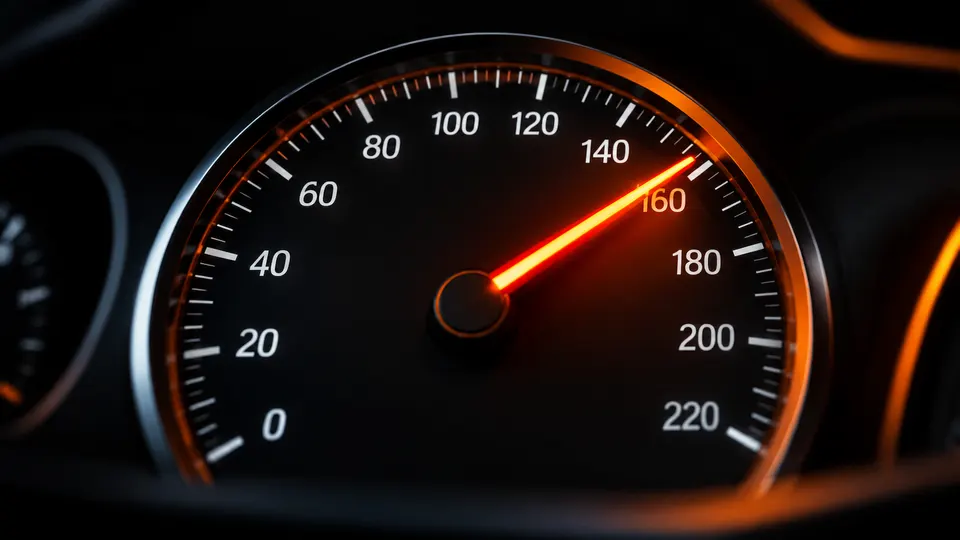
Quick Answer
There is no single national price. Each state sets its own speeding fines, and most scale them by how far over the limit you were. As of November 2026, Florida's civil penalty runs from $25 to $250, a first offense in New York carries $45 to $600, and Virginia caps an ordinary speeding infraction at $250. Court surcharges, zone rules and later insurance costs can add more.
On this page
- How much does a speeding ticket cost?
- How do fines change with how fast you were going?
- What gets added on top of the base fine?
- When does speeding become a criminal charge?
- Do speed camera tickets cost less?
- How do you find the exact amount for your ticket?
- What does a speeding ticket cost beyond the fine?
- Frequently Asked Questions
- Our Take
- Sources
Key Takeaways
- Speeding fines are set by state law, and most states charge more the faster you were going.
- Official examples: Florida $25 to $250, New York $45 to $600 for a first offense, Virginia up to $250 for an infraction.
- Surcharges, court costs and doubled fines in school or work zones can push the total well above the base fine.
- Very high speeds can become a criminal charge. In Virginia, 20 mph over or above 85 mph is reckless driving.
- The fine is often not the biggest cost: points and insurance can cost more over time.
How much does a speeding ticket cost?
The amount on a speeding ticket comes from your state's law, and it is usually a range that depends on how fast you were going. Inside that range, a court or a fixed schedule sets the exact amount. That is why two drivers in the same state can pay different amounts for the same kind of ticket.
Here are the statutory ranges from three states, as of November 2026:
| State | Speeding fine (base) | Official source |
|---|---|---|
| Florida | $25 (6 to 9 mph over) up to $250 (30 mph or more over) | Florida Statutes 318.18 [1] |
| New York | $45 to $150 (up to 10 mph over) up to $180 to $600 (more than 30 over), first offense | Vehicle and Traffic Law 1180 [2] |
| Virginia | Up to $250 for a speeding infraction | Code of Virginia 46.2-113 and 18.2-11 [4] |
Other states use their own ranges and schedules, and many counties add their own costs. For the exact amount on your ticket, check the court or agency named on it. Our state guides, such as speeding tickets in New York and speeding tickets in Virginia, cover the details for each launch state.
How do fines change with how fast you were going?
Most states use speed bands: the further over the limit, the higher the fine. Florida is a clear example because its law lists a fixed amount for each band [1].
New York uses wider ranges and lets the court choose within them. For a first offense, the law sets $45 to $150 for up to 10 mph over, $90 to $300 for more than 10 but not more than 30 mph over, and $180 to $600 for more than 30 mph over [2]. Repeat offenses cost more: for a second violation within 18 months, the maximum fine can rise by $150, and for a third or later one by $375 [2].
Florida also raises fines for repeat high speeds. A second or later conviction for going 30 mph or more over within 12 months carries a doubled fine [1].
What gets added on top of the base fine?
The base fine is often only part of what you pay. Several things can be added:
- State surcharges and fees. New York adds a mandatory surcharge and a crime victim assistance fee to traffic infraction convictions, with a higher surcharge in town and village courts [3]. The amounts have changed over the years, so check the figure on your ticket or with the court.
- School and work zones. Florida doubles the fine for speeding in a school zone, and in a construction zone when workers are present or equipment is operating [1].
- Enhanced penalty zones. Florida adds $50 to the table amount in posted enhanced penalty zones [1].
- Court costs. Many courts add their own costs, which differ by county and court.
When does speeding become a criminal charge?
At high enough speeds, a speeding ticket stops being a simple fine and becomes a criminal case. The thresholds differ by state.
In Virginia, driving 20 mph or more over the limit, or over 85 mph regardless of the limit, is reckless driving by speed [5]. Reckless driving is a Class 1 misdemeanor [6], and a Class 1 misdemeanor can bring up to 12 months in jail and a fine of up to $2,500 [7]. Compare that with the $250 limit for an ordinary Virginia traffic infraction.
New York's speeding law also allows jail time at higher speeds: up to 15 days for more than 10 but not more than 30 mph over, and up to 30 days for more than 30 mph over [2]. If you face a reckless driving charge, a possible license suspension, or you hold a commercial driver's license, talking to a licensed attorney in your state makes sense.
Do speed camera tickets cost less?
Usually, yes. Camera tickets in many places are fixed civil fines without points. New York City's speed camera fine is $50, which the city notes is far less than an officer-issued speeding ticket [8]. Colorado's automated speed enforcement penalty is $75 in work and school zones [9].
The rules for camera tickets, including where points can still apply, are in our speed camera guide. The same applies at intersections; see our red light camera guide.
How do you find the exact amount for your ticket?
Start with the ticket itself. Many tickets print the amount due, or tell you where to look it up, along with the court or agency handling the case and the deadline. If the ticket says you must appear in court, the amount may not be set until the judge decides, because statutes like New York's give the court a range to choose from [2].
Then check three things:
- The speed band. Find the recorded speed and the posted limit on the ticket. The difference decides which band applies in states that use bands, such as Florida [1].
- The location. A school zone, a work zone with workers present or a posted enhanced penalty zone can raise the amount.
- Your record. Repeat offenses within a set period can raise the maximum, as New York's 18 month rule shows.
If anything on the ticket looks wrong, such as the speed, the location or your vehicle details, contact the court before the deadline. Pay only through the official court, DMV or city site printed on the ticket. Before you pay, check with the court whether paying counts as a guilty plea in your state. If you plan to contest the ticket or ask about a driving course, do that first, because those options may close once the ticket is paid.
What does a speeding ticket cost beyond the fine?
Points and insurance often matter more than the fine itself. A conviction for an officer-issued ticket usually adds points to your driving record, and enough points in a set period can lead to a suspension. Our license points guide explains how each state counts them, and the points calculator shows what a ticket adds in your state. A suspension brings its own costs too, such as reinstatement steps set by your state DMV and the trouble of getting to work without a license.
Insurers also look at your record when they set your rate. How much it changes depends on your insurer, your state and your history; our guide on how a speeding ticket affects insurance explains the factors. Some states let drivers take a driving course to reduce points or keep a ticket off their record, which can matter more than the fine.
Ignoring a ticket is the most expensive choice. Missing a court date or payment deadline can bring added penalties and, in many states, a license suspension. The notice tells you the deadline and the official place to pay or contest.
Frequently Asked Questions
How much is a ticket for 10 over?
It depends on the state. In Florida, 10 to 14 mph over is a $100 civil penalty [1]. In New York, up to 10 mph over is $45 to $150 for a first offense, before surcharges [2].
How much is a ticket for 20 over?
Florida sets $175 for 20 to 29 mph over [1]. In Virginia, 20 mph over is reckless driving, a criminal charge with a fine of up to $2,500 [5].
Are speeding fines higher in school and work zones?
Often. Florida doubles speeding fines in school zones and in construction zones when workers are present or equipment is operating [1]. Many other states have similar rules; check the signs and your state law.
Can a speeding fine be reduced?
Sometimes. In states like New York, where the law gives a range, the court decides the amount within it [2]. Some courts also offer driving courses, payment plans or other options. Ask the court named on your ticket what is available before the deadline.
Where do I pay a speeding ticket?
Pay only through the court, DMV or city website printed on your ticket or notice. Third-party payment sites may add fees. If you want to contest the ticket, follow the court's instructions before the deadline.
Our Take
We think the honest answer to "how much is a speeding ticket" is a range, not a number, and that range comes from state law. The statutes we cite show how fast the cost climbs: in Virginia, a few extra miles per hour can turn a $250 infraction into a criminal case. Before you pay, read the ticket, note the speed band and deadline, and look up your state's rules. Remember that points and insurance can cost more than the fine. If a ticket puts your license or job at risk, a licensed attorney can explain your options.
Sources
- Florida Statutes, Section 318.18: Amount of penalties. Florida Legislature, 2026.
- New York Vehicle and Traffic Law, Section 1180. New York State Senate, 2026.
- New York Vehicle and Traffic Law, Section 1809. New York State Senate, 2026.
- Code of Virginia, Section 46.2-113. Virginia Law, 2026.
- Code of Virginia, Section 46.2-862. Virginia Law, 2026.
- Code of Virginia, Section 46.2-868. Virginia Law, 2026.
- Code of Virginia, Section 18.2-11: Punishment for conviction of misdemeanor. Virginia Law, 2026.
- FAQs: Speed Cameras. NYC DOT, 2022.
- Colorado Speed Enforcement Program FAQ. Colorado DOT, 2026.
This is general information to help you understand your vehicle, not a substitute for a hands-on diagnosis. If a warning light is flashing or the car runs badly, stop driving and have it checked by a qualified technician. Spotted an error? Tell us.
Keep Reading
How Many Points Is a Speeding Ticket? State-by-State
A speeding ticket adds 0 to 11 points depending on the state and speed. How point systems work, suspension levels, states without points and camera tickets.
Red Light Cameras: How They Work and What a Ticket Means
How red light cameras catch a car entering on red, what the notice means for fines and points, right turn on red rules, where cameras are legal and what to do.
Speed Cameras: How They Work and Where They're Legal
How speed cameras measure speed and mail a notice, the fixed, mobile and point-to-point types, where states allow or ban them, and whether tickets add points.

How Much Does a Speeding Ticket Raise Insurance?
A speeding ticket can raise car insurance, but by how much depends on your state, insurer and record. See the factors and what state insurance regulators say.

Speeding Ticket in Texas: Fines, Points and Options
Texas speeding tickets usually carry a fine of up to $200 plus court costs, doubled in work zones. No points, but 4 convictions in 12 months can suspend.

Speeding Ticket in Virginia: Fines, Points and Options
Virginia speeding fines start at $6 per mph over the limit, DMV adds 3 to 6 demerit points, and 20 over is reckless driving. Your options as of November 2026.